Anthropologie Corporate Gifts: A Scenario-Based Guide for Last-Minute Buyers
If you're reading this because you just realized the client appreciation dinner is in two weeks and you haven't ordered gifts yet, take a breath. I've been exactly where you are. In my role coordinating corporate procurement, I've handled 200+ rush orders over six years—including same-day turnarounds for financial services clients. Maybe 180, I'd have to check the system. The point is, I know what it feels like to stare at a calendar and do the math.
Here's the thing: there's no single "best" Anthropologie gift for corporate clients. The right choice depends on your timeline, your quantities, and who's receiving the gift. Sometimes the answer is an Anthropologie photo frame. Sometimes it's a candle holder. And sometimes it's a gift card that you need to verify is loaded correctly before it goes out to 200 people.
So let's break this down by scenario. Because "what should I order" and "how fast do I need it" are two different questions—and the answers don't always line up.
Scenario One: Client Appreciation with Under Two Weeks
You have a date, a client who matters, and barely any buffer. The instinct is to panic-buy whatever ships fastest. Don't. Instead, choose products that are forgiving.
Anthropologie photo frames are your safest move. They're universal, they don't need sizing, and they won't clash with anyone's decor. The ornate metal styles and the cleaner wood options both photograph well, which matters because someone will almost certainly post a photo of your gift on LinkedIn. I've ordered frames in batches of 30, 50, even 120, and they just don't miss.
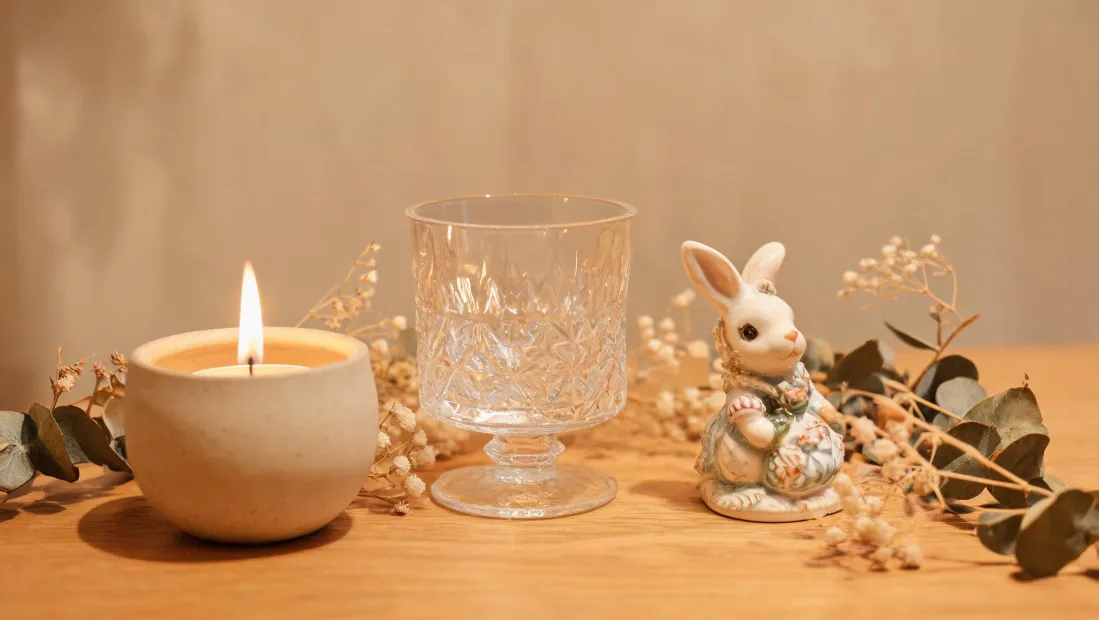
Candle holders are a close second. Glass holders ship well and look substantial on a desk or mantel. But the heavier ceramic styles? They can add transit time. I remember one order where the ceramic holders sat for an extra two days at a sorting facility because of weight and packaging. Not ideal, but workable if you have the buffer. With under two weeks, stick to lighter materials.
Dinnerware, I'd skip in this timeline. It's heavier, more fragile, and far more likely to arrive chipped if the box gets tossed around. I've seen the aftermath of a broken Anthropologie dinner plate in a gift box. The recipient's reaction isn't worth the risk.
Scenario Two: Employee Holiday Gifts with Three to Four Weeks
With a month of runway, you can start making bolder choices. This is the sweet spot for dinnerware. The stoneware collections are genuinely beautiful, and employees actually use them—which is more than you can say for the branded mug that ends up in the back of a cabinet.
Let me clarify something: when I say dinnerware, I mean individual pieces, not full 12-piece sets. A single Anthropologie dinner plate or a small serving bowl makes a thoughtful gift without blowing your per-person budget. We've ordered the embossed stoneware salad plates as employee holiday gifts twice now, and both times the feedback was warmer than any standard corporate tchotchke.
This is also the timeline for reed diffusers and home fragrance. And since this comes up constantly in client conversations, let's address it directly.
How to Use Reed Diffuser Sticks with Essential Oils
It's tempting to think you just drop the sticks into the bottle and walk away. But there's a bit more to it. You insert the reeds into the bottle, wait 20 to 30 minutes for the oil to wick upward, then flip them once. Flipping saturates the sticks and releases the fragrance into the room. From there, flip them weekly to keep the scent throw consistent.
The number of sticks controls the intensity. Fewer sticks, subtler scent. More sticks, stronger presence. You can also rotate the bottle occasionally to keep the oil from settling.
Why does this matter for corporate gifting? Because if you're including a reed diffuser in a gift box, the recipient is going to look it up. If your packaging includes a small card with these instructions, it feels considered. That's the kind of detail that separates a corporate gift from a corporate obligation.
Scenario Three: Bulk Orders, Gift Cards, and True Emergencies
Sometimes you need to thank thirty people and there's simply no time. This is where gift cards come in.
The question I get most from clients: "How do I check an Anthropologie gift card balance?" Whether you're verifying that bulk-purchased cards are loaded correctly or helping an employee check theirs, the process is the same. Go to the Anthropologie check gift card balance page on their website, enter the card number and PIN, and the remaining balance displays instantly.
And before you ask—yes, this matters from a compliance angle. Per FTC guidelines, the Credit CARD Act of 2009 requires gift card funds to remain valid for at least five years from issuance or last load. That's a federal requirement, not just a retailer's policy. So recipients aren't racing against a hidden expiration date. Worth knowing if you're buying cards in bulk for a company-wide program.
Gift cards are the right call when: you need quantities in the hundreds, you don't know individual recipient tastes well enough to pick physical items, or you're under a week and shipping 200 physical products isn't realistic. But I'll be honest with you—there's a tradeoff. A gift card doesn't sit on someone's desk. It doesn't remind them of your company every day. I've had clients love the simplicity, and I've had others regret that it felt impersonal.
For lightweight alternatives like greeting cards or photo books, shipping costs stay manageable. According to USPS (usps.com), pricing effective January 2025 puts a First-Class Mail large envelope at $1.50 for the first ounce. Once you're shipping candles, dinnerware, or substantial frames, you're in package territory where dimensions and weight drive the cost. Factor that into your per-recipient number before committing to a product category.
How to Determine Which Scenario Applies to You
This might seem obvious, but you'd be surprised how many people misjudge it. The question isn't "when am I placing the order?" It's "when does the gift need to be in the recipient's hands?"
Work backward from that date. If the event is November 20 and shipping takes 7 to 10 days, you don't have two weeks—you have about one. I learned this the painful way. I told a vendor "we need it by the 20th." They heard "ship by the 20th." Gifts arrived on the 23rd. Three days after the client dinner. That was the moment I implemented our mandatory 48-hour buffer on every internal deadline. The third time a rush order nearly failed, I finally created the process. Should have done it after the first.
Here's the rule I use when advising clients:
- More than 4 weeks out: The full Anthropologie range is open to you—photo frames, dinnerware, candle holders, decor, stationery. Take your time and curate.
- 2 to 4 weeks out: Choose photo frames, glass or metal candle holders, reed diffusers, and lightweight stationery. Skip heavy or fragile pieces.
- Under 2 weeks: Gift cards, or a small set of fast-shipping items. Accept that you're paying a premium for certainty.
That last point deserves emphasis. When you're under two weeks, the cheapest option is rarely the smartest. In March 2024, I approved $400 in extra shipping fees on a 60-piece corporate gift order. The alternative was missing a client event tied to a $15,000 account. Did I hesitate? Yes. Did I do it anyway? Obviously.
The broader pattern is simple: uncertain delivery dates have a hidden cost. Every day the shipment could be late is a day your client's impression of your company is at risk. And that's worth more than any shipping fee.
Final Thoughts
Start with the deadline, not the product. Identify how much time you actually have, then let that narrow your options.
Anthropologie photo frames work for almost any client. Candle holders and reed diffusers suit home-focused recipients—and yes, include that note about flipping the sticks. Dinnerware is a bigger commitment that pays off when you have breathing room. Gift cards are the honest fallback when time has truly run out.
The lesson I keep coming back to, after years of rush orders and last-minute saves: when time is short, certainty has a price. Sometimes it's worth every penny.

Elise Laurent
Elise Laurent is a crystal and decorative glass quality analyst covering crystal figurines, vases, ornaments, suncatchers, and gift glassware. She examines ISO 6486-1 where food-contact glass dinnerware applies, then uses polarized strain inspection, dimensional checks, surface-defect grading, and refractive clarity to compare decorative pieces outside that scope. Her work helps sourcing teams choose materials, finishing routes, and protective packaging without confusing visual brilliance with verified durability.