Anthropologie-Inspired Corporate Holiday Gifts: An Office Buyer's Guide to Ornaments, Photo Books, and Greeting Cards
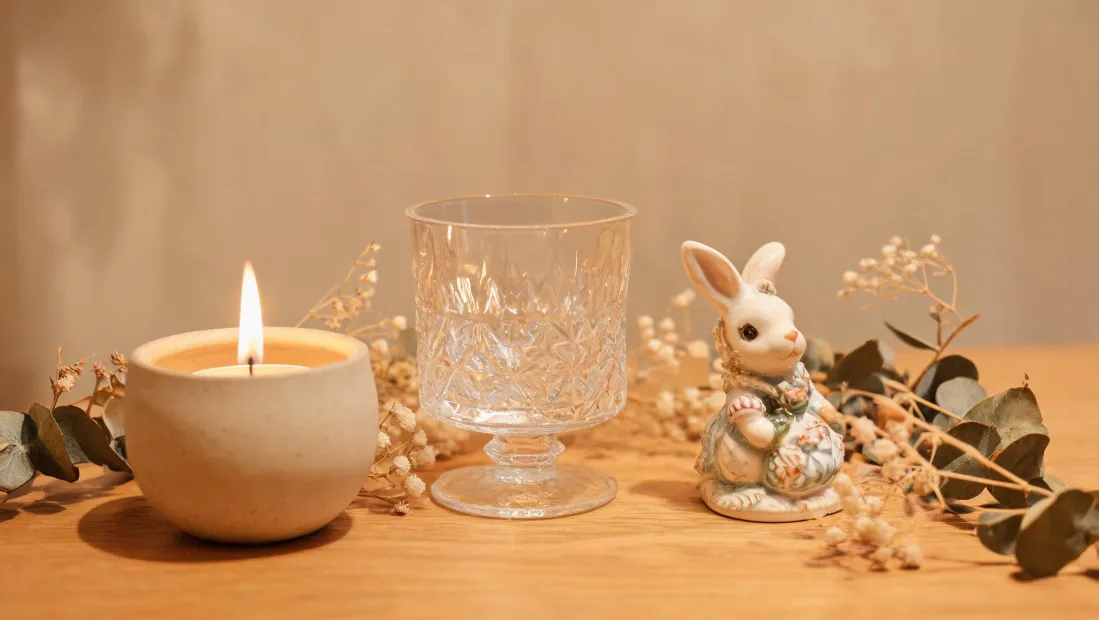
If you've been handed the corporate holiday gift order this year, the first thing to know is that there's no one-size-fits-all formula. What works for a list of five VIP clients won't work for 300 employees, and what makes sense in October is a completely different decision in mid-December.
I've been the office administrator for a 60-person marketing agency since 2021. I manage roughly $75,000 in annual purchasing across eight vendors, and gifting is the part that never gets written into a procedure manual. So let me walk you through the three scenarios I see most often, including the Anthropologie-inspired gifts people ask about.
First, Figure Out Your Scenario
The reason most gift guides don't help is they assume one answer. Here's the shortcut:
- Scenario A: You need a large run of branded gifts by a fixed date.
- Scenario B: You're buying a small number of curated gifts for executives or key clients.
- Scenario C: You're mailing holiday cards and trying to keep postage costs under control.
I'll give you specific advice for each.
Scenario A: Large Run of Branded Gifts by a Fixed Date
If you need 100 or more items with a company logo, your main job is consistency. This is where I'd recommend a custom Christmas ornament, a soy candle with a custom label, or a branded gift box that feels more intentional than a tote bag.
In my first year, I made the classic error: I ordered 150 branded journals because they fit the budget. Didn't think about whether anyone would actually use them. A lot ended up on the giveaway table. The lesson wasn't to skip branding. It was to pick something people will use.
A custom photo book is another option, especially if you want to recap a client's event or project. But photo books need proofing time. It took about three weeks—or rather, four with the revision round—for us to approve a 20-page book. If you have six weeks, they're great. If you have two, don't do it.
The Anthropologie 12 Days of Christmas set is a beautiful gift, and this year I want to say it was around $80, but don't quote me on that. It works for one VIP. It doesn't work when you need 120 identical gifts. For a large run, a simple ornament with a meaningful message beats a complex set you can't get in quantity.
If the date is fixed, budget for certainty. In March 2024, I paid $400 extra for rush delivery on a dozen custom gift boxes. The alternative was missing a $15,000 client event. A lot of people see that as paying for speed. It isn't. You're paying for certainty, and a cheaper vendor who “probably” delivers on time is a bet you shouldn't take with someone else's money.
Scenario B: Small Curated Gifts for Executives and VIP Clients
When you're ordering fewer than 20 gifts, you can be more personal. This is where Anthropologie-style home goods work really well.
One question I hear is whether to just visit the Anthropologie Home Outlet Los Angeles location and buy directly. It's a great source for candles, vases, ornaments, and small decor pieces, but the stock changes week to week. I've found 12 matching candlesticks on a Tuesday and seen zero by Friday. That's fine for a small list. It's not a reliable source for a large campaign.
A curated gift box could be a candle, a small Christmas ornament, and a handwritten card. Not everything has to have the same brand. It has to feel intentional. I don't have hard data on how many logoed tumblers get used, but anecdotally, the unmarked candles from this category get way more reaction than the branded swag.
This is also where I'll spend more on a vendor who guarantees delivery. If one supplier says “probably Tuesday” and another says “Thursday, guaranteed, with a tracking number,” I take the second. For a small order, the added cost is usually small. For a relationship with a top client, it's worth it.
Scenario C: Mailing Cards and Wondering What Is the Size of a Normal Greeting Card
If you're mailing holiday cards, start with practical details, not the design. If you've searched for what is the size of a normal greeting card, the answer is: there isn't an official one, but most standard greeting cards are 5 by 7 inches when folded, with 4.25 by 5.5 inches (A2) as the other common size. Both fit in a standard letter envelope.
According to USPS (usps.com), First-Class Mail letters must be at least 3.5 by 5 inches and no larger than 6.125 by 11.5 inches, so a 5 by 7 card is safely within that. The bigger issue is weight. As of January 2025, a one-ounce First-Class Mail letter is $0.73, and each additional ounce adds $0.28. A heavy card, a wax seal, or a ribbon can push the envelope over the first ounce, and that changes your postage budget. Postage rates change, so verify current pricing at usps.com before you print.
I'm not a postal expert, so I can't speak to every USPS regulation. What I can tell you from a purchasing perspective is to ask the printer for the finished envelope size and weight before you commit. Note to self: verify postage before ordering 500 cards, not after.
How to Know Which Scenario You're In
Skip the complicated matrix. Ask yourself three questions:
- How many recipients? If it's more than 50, you're in Scenario A.
- Does the gift need your company logo? If yes, you're probably in Scenario A. If no, and the list is short, Scenario B.
- Does it need to arrive by a date you can't move? If yes, make certainty your top priority.
If you're mailing anything, start with card size and postage, not the design. If you have a large, fixed-date order, choose the reliable vendor even when it costs more. If you have a small list and some flexibility, be more creative.
The conventional wisdom says a branded item is the safe corporate gift because it markets your company. My experience after several seasons is the opposite. The gifts people remember are the ones that feel useful or personal, even when they're not perfectly on brand. A custom photo book, a good-smelling candle, a thoughtful ornament—those beat another branded charger.
I'm not a tax professional, so I won't get into gift deductibility. But I can tell you this: keep the invoices organized. Finance will ask. And if you haven't started this year's planning, do it now. That's a lesson I relearn every November.

Elise Laurent
Elise Laurent is a crystal and decorative glass quality analyst covering crystal figurines, vases, ornaments, suncatchers, and gift glassware. She examines ISO 6486-1 where food-contact glass dinnerware applies, then uses polarized strain inspection, dimensional checks, surface-defect grading, and refractive clarity to compare decorative pieces outside that scope. Her work helps sourcing teams choose materials, finishing routes, and protective packaging without confusing visual brilliance with verified durability.