Scented Candle, Throw Pillow, or Tote Bag? Corporate Gift Lessons from Anthropologie Capri Blue Candle & Trader Joe's Viral Tote Bag
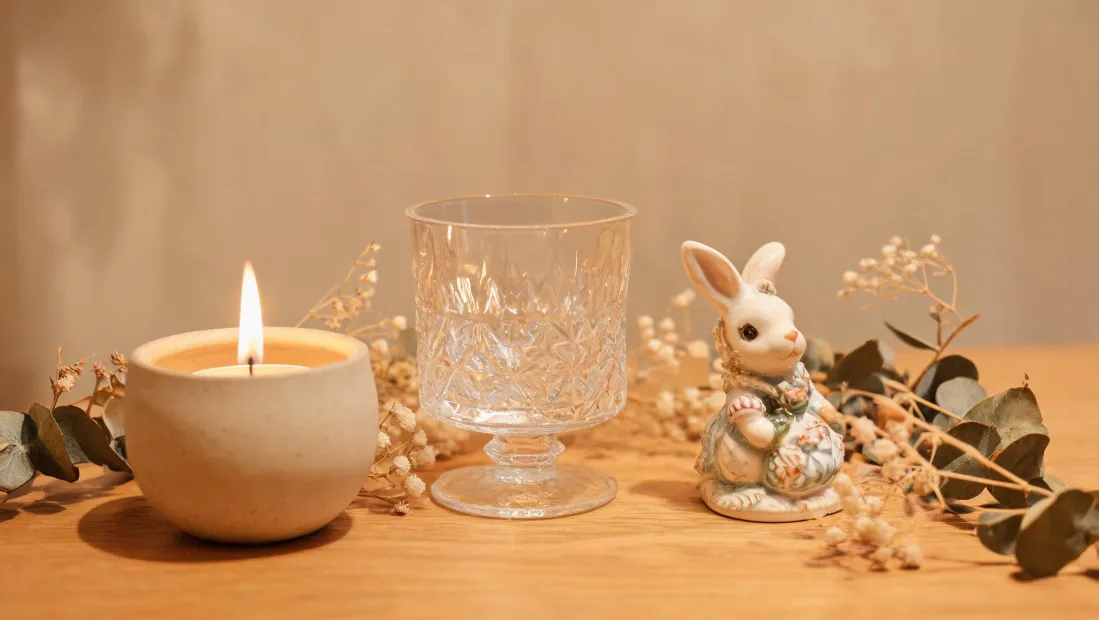
There's no universal "best corporate gift." I know that's not the satisfying answer you came for, but after five years of coordinating corporate gift orders—including more rush jobs than I care to count—I can tell you this much: the right choice depends on who's receiving the gift, what it needs to do for your brand, and how many hours you actually have left before your event.
In my experience, B2B buyers usually end up weighing three product categories: scented candles, tote bags, and throw pillows. All three have legitimate cases. All three also have a scenario where they're the wrong call.
Here's how I help clients figure out which one they need.
Scenario 1: You Need a Gift That Works for a Broad Group
Your recipient list is a mixed bag—sales leads, long-term clients, a few internal team members, maybe a partner or two. You can't personalize per person. You need one gift that feels thoughtful to everyone.
Choose a scented candle.
I'm biased, I admit it. The Anthropologie Capri Blue candle is a legitimate cultural icon at this point. The blue glass jar, the Volcano scent—it's been the signature fragrance in Anthropologie stores for over 20 years, and people still actively repurchase it. As of January 2025, Capri Blue remains one of the most consistently searched home fragrance products out there. That staying power isn't luck. The Volcano scent is distinct enough to be memorable, but not so polarizing that people dislike it.
The reason a candle works for a mixed group is that it's the lowest-risk "nice thing" you can give. It doesn't require knowing someone's decor taste, clothing size, or whether they're allergic to dandelions. It just needs to smell good and get lit.
But here's what most corporate buyers miss: they focus on the jar. The color, the label, how it photographs on Instagram. They completely ignore the scent quality.
The question everyone asks me is, "Which candle best matches our brand colors?" The question they should ask is, "Which scent would someone actually keep burning after the meeting?" A generic-smelling candle in a beautiful jar is just decor. It sits on a shelf until it gets tossed. The Capri Blue candle earned its reputation because people actually use it—and a branded candle only works if it gets burned.
Scenario 2: You Want Maximum Brand Visibility
If your goal is keeping your brand in front of people every day, a tote bag is hard to beat. Cost per impression, it's the most efficient item we sell. It leaves the office, goes to the grocery store, the airport, the gym—and every trip is free advertising.
People keep asking why the Trader Joe's tote bag went viral, so let's talk about it. In December 2024, Trader Joe's released a mini canvas tote that looked uncannily like high-end designer bags. It cost around $3. People lined up before opening, shelves cleared within hours, and resale prices hit triple digits in some cases. Trader Joe's had to impose purchase limits.
The viral moment is worth studying—not because you'll ever replicate it on demand, but because it shows what makes branded merchandise worth keeping:
- Usefulness. The bag was practical. Small enough for daily errands, sturdy enough for actual weight.
- Visual appeal. The design echoed luxury fashion without copying it. People wanted to be seen carrying it.
- Scarcity. Limited availability turned a simple product release into a cultural event.
I get why brands look at that TikTok chaos and want to chase virality. But here's the part that doesn't show up in the clips: that tote bag went viral because Trader Joe's had spent decades building customer affection. The bag was a symbol of a relationship that already existed. An unknown brand printing 2,000 generic totes and hoping for the same moment is going to be disappointed. Spontaneous viral demand is not a delivery date you can rely on.
Under a deadline, the product you know works beats the product you hope goes viral. Every time.
Scenario 3: You're Investing in a High-Value Relationship
This is the scenario that makes corporate buyers nervous, and I don't blame them. Gifting a VIP client, a founding partner, or someone who just made a major decision in your favor comes with higher stakes. A candle feels too small. A tote bag feels too casual.
This is where throw pillows and home decor earn their place.
An Anthropologie-style throw pillow is a statement in a way candles and totes aren't. The textile, the pattern, the texture—it says you paid attention to the recipient's taste, not just that you needed a gift by Friday. We regularly send curated pillows and decorative objects to executive offices and long-term partners, and they're consistently the items people mention months later.
Here's a parallel worth sitting with. Most people who search Anthropologie wedding dress sale aren't thinking about corporate gifts at all—they're brides looking to make a premium dress feel financially sane. But the psychology is identical: they want the elevated choice without feeling foolish about it. That's exactly what a well-chosen throw pillow does for your corporate gift. It communicates "we value you" even when your procurement budget has limits.
The catch: pillows require information. You need to know the recipient's style, or at least their space. I've seen a $120 pillow land completely flat because the recipient's office was minimalist and the pillow was boho maximalist. If you want the safe version, stick with neutral textures, earthy tones, and premium fabrics. That combo fits the widest range of tastes while still feeling expensive.
How to Figure Out Which Scenario You're In
Here's the framework I walk clients through when the clock is ticking:
- Who's receiving it? A broad group with unknown tastes → scented candle. A group that's always moving → tote bag. A specific high-value relationship → throw pillow or decor.
- What does the gift need to do? Create daily brand impressions → tote bag. Build warm general goodwill → candle. Strengthen a key relationship → decor.
- How much time do you have? Candle and tote bag production runs on established timelines. Custom pillow work takes longer. If you're under 48 hours, the custom option is already off the table.
Let me be direct about what I've learned the hard way: uncertainty is the real cost in corporate gifting.
In March 2024, a client tried to save $4 per unit by ordering candles from a discount supplier instead of our branded line. The "estimated" delivery turned into "probably next week," and the finished product smelled more like cleaning chemicals than fragrance. The event happened, the candles stayed in the box, and the client spent $800 on rush replacements—on top of the $300 they'd "saved." That math never works in your favor.
We also didn't have a formal verification process for custom pillow specs back then. The third time a texture detail came back wrong, I created a specification checklist and made it mandatory. Sounds like common sense, but common sense is usually the first thing to vanish when a deadline is close.
In my role coordinating corporate gift orders at Anthropologie, I've managed 200+ rush projects, including same-day turnarounds for high-priority client events. Last quarter alone, we processed 47 rush orders with a 95% on-time rate. The ones that slipped? Almost always an experiment—a custom fabric, an unusual finish, a vendor we hadn't rushed before. The orders that never failed? Standard candles, standard totes, established inventory.
So ask yourself: which scenario are you actually in?
If the answer isn't clear, go with the candle. Not because it's the boring default, but because the Capri Blue candle earned its status the hard way—by being the thing people keep, burn, and remember.

Elise Laurent
Elise Laurent is a crystal and decorative glass quality analyst covering crystal figurines, vases, ornaments, suncatchers, and gift glassware. She examines ISO 6486-1 where food-contact glass dinnerware applies, then uses polarized strain inspection, dimensional checks, surface-defect grading, and refractive clarity to compare decorative pieces outside that scope. Her work helps sourcing teams choose materials, finishing routes, and protective packaging without confusing visual brilliance with verified durability.