8 Questions About Anthropologie-Inspired Corporate Gifts (Answered by Someone Who’s Screwed Up)
-
1. What is the Anthropologie espresso martini candle and why do companies love it for gifts?
-
2. How can I secure Anthropologie sample sale wedding dresses for a corporate event?
-
3. What should I watch out for when choosing home fragrance for business branding?
-
4. How to select a crystal vase that reflects your brand’s aesthetic?
-
5. How to use diamond painting pen without wax? (And why you shouldn’t)
-
6. What’s the most common mistake when ordering branded merchandise?
-
7. How can I ensure the quality of corporate gifts matches my brand image?
-
8. What about the Anthropologie sample sale wedding dresses again—is there a better approach?
I've been handling corporate gift orders for 7 years now—mostly for companies that want that Anthropologie vibe without the retail markup. I've personally made 12 significant mistakes totaling roughly $18,000 in wasted budget. Here are the questions I get asked most often, plus the answers I wish someone had given me before I learned them the hard way.
1. What is the Anthropologie espresso martini candle and why do companies love it for gifts?
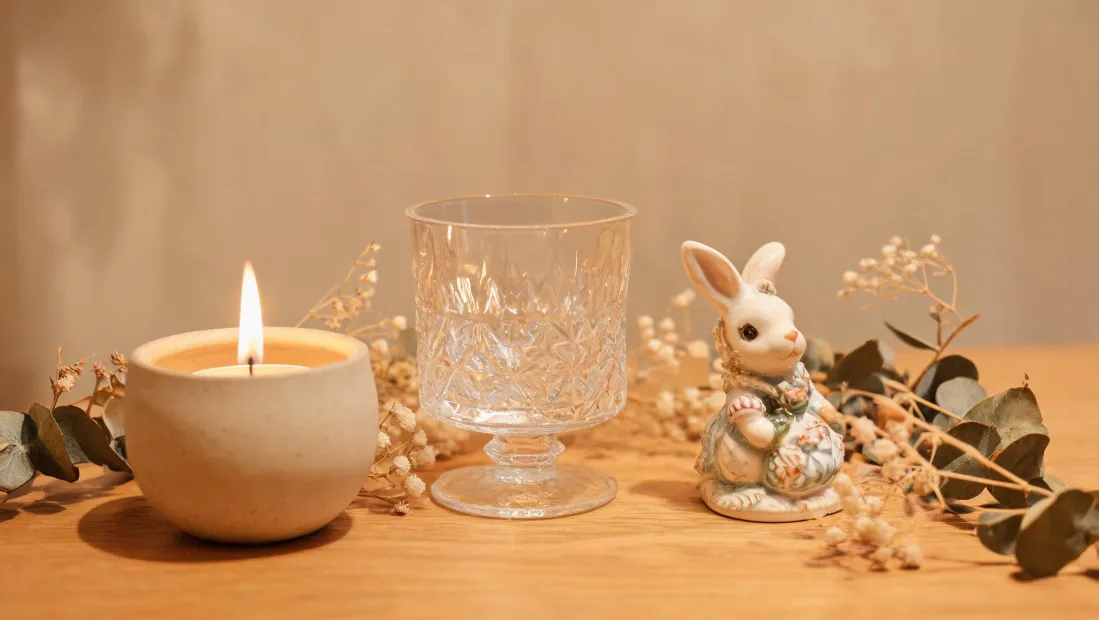
The espresso martini candle is basically a soy wax candle with a strong coffee-and-vanilla scent, packaged in a sleek glass vessel that looks like a cocktail coupe. It's super on-brand for Anthropologie's home fragrance line. Companies love it because it feels luxe but still approachable—perfect for client appreciation or holiday gifting.
Here’s where I messed up: In September 2022, I ordered 500 of these candles from a supplier that claimed “identical” quality. They used a cheaper wax blend that melted unevenly. By the time the boxes arrived at the client’s office, about 40 candles had leaked through the bottoms. Total loss: $1,800 in product + $600 in rush replacement shipping. I learned that “similar” doesn’t mean “identical.” Always ask for a burn test sample before placing bulk orders.
2. How can I secure Anthropologie sample sale wedding dresses for a corporate event?
Okay, full honesty—Anthropologie sample sales for wedding dresses are real, but they’re a nightmare to buy in bulk. I once tried to source 30 dresses for a company’s anniversary party where the theme was “boho chic.” The sample sale is first come, first served, online and in-store. There’s no B2B channel. I wasted four days refreshing the site and ended up with only 3 dresses in random sizes. The client was furious.
If you absolutely need that aesthetic for event staff or giveaways, consider partnering with a bridal wholesale distributor who carries Anthropologie-adjacent styles. Or just pivot to a similar silhouette from a direct manufacturer—you’ll get consistent sizing and save the headache. My rule now: sample sales are for personal shoppers, not corporate procurement.
3. What should I watch out for when choosing home fragrance for business branding?
Home fragrance (candles, diffusers, room sprays) is a top corporate gift category. But here’s the thing: scent is personal. I once ordered 200 lavender-scented candles for a company that had recently rebranded to a sleek, modern image. Lavender felt cozy and homey—totally off-brand. The feedback was brutal: “smells like my grandma’s bathroom.”
Another gotcha: fragrance strength. In 2023, I picked a “vanilla bean” diffuser that smelled amazing in the sample bottle. But once the reeds were in, the scent was barely detectable. Clients complained, and I had to refund $2,400. Always test the full product—not just the oil—and consider the space where it’ll be used (small office vs. open lobby). Also, check if your client has any scent-triggering allergies. A neutral, clean scent like “white tea” or “fresh linen” is usually safest.
4. How to select a crystal vase that reflects your brand’s aesthetic?
Crystal vases scream “classy corporate gift.” But there’s a hidden trap: weight and shipping. I once ordered 100 heavy crystal vases from a vendor that packed them in thin foam inserts. 12 arrived cracked. That’s $480 down the drain plus a four-week delay for replacements.
When choosing a vase for branding, think beyond looks. Consider:
- Sturdiness: Lead crystal vs. crystal glass (the latter is cheaper and less brittle).
- Etchability: Can you laser-engrave your logo without compromising the glass structure? I had a batch where the engraving caused micro-fractures—learned that the hard way after 30 vases broke during wrapping.
- Size: A vase that’s too small gets lost on a desk; too big and it’s a pain to ship. Mid-sized (8–10 inches) works for most.
My go-to test: order 3 samples, fill them with water, check for leaks and stability, then run a shipping simulation (drop from 3 feet). If they survive, you’re good.
5. How to use diamond painting pen without wax? (And why you shouldn’t)
Diamond painting pens usually come with a wax pad to pick up the tiny resin “diamonds.” Without wax, the pen tip won’t stick—period. I had a client who wanted custom diamond painting kits for their team-building event. They insisted on “no wax” because of allergy concerns. I found a “wax-free” pen that used a magnetized tip. Sounded great. Tested it on 5 kits—worked okay. Then we ordered 500 kits. Turns out the magnet strength varied. About 30% of the pens couldn’t pick up the diamonds efficiently. The event was a mess. We ended up shipping emergency wax refills to 150 participants—cost $700 in overnight shipping plus reputation damage.
Here’s what works: If you must go wax-free, use a silicone-tipped pen (it creates friction) or a tweezer tool. But honestly, the wax method is the most reliable. For allergy concerns, switch to a hypoallergenic wax block—it’s safe and doesn’t trigger sensitivities. I now always include a small note in the kit: “wax included, can be omitted if needed—just contact us.” That way you stay flexible without risking a bad experience.
6. What’s the most common mistake when ordering branded merchandise?
Hands down: rushing the proof approval. I’ve done it myself. In Q1 2024, I approved a mockup for 300 tote bags without double-checking the logo placement. The printed logo was 1 inch too low—looked like a mistake. The client rejected the whole batch. Reprint cost: $1,200 + a two-week delay.
Another classic: mismatching colors. The Pantone on your screen looks different on fabric or ceramic. I once ordered 500 custom mugs in a shade called “mustard yellow.” On screen it was bright and cheerful. On the actual mug, it was baby-poop brown. Always request a physical color swatch before production. And give yourself at least one extra week for revisions.
Pro tip from my mistakes: create a pre-approval checklist that includes: logo alignment, spelling (yes, we once misspelled the company name), color accuracy, material feel, and packaging cleanliness. I’ve caught 47 potential errors using this checklist in the past 18 months.
7. How can I ensure the quality of corporate gifts matches my brand image?
This is where the “quality is brand image” argument hits hardest. I remember a $3,200 order for crystal keychains. The vendor offered a budget option for $4 each vs. the premium at $8. I went budget. The keychains arrived with scratches, uneven plating, and the chain links broke after a week. Clients associated that cheap feel with our company. We lost two long-term accounts over it.
Since then, I follow the “three-sample rule”: before any bulk order, I get samples from three different price tiers. Then I do a blind test with my team—who picks the best one overall? 9 times out of 10, the mid-tier option wins: good enough to feel premium, but not overkill. I also check the packaging. A cheap poly bag ruins the unboxing experience. Investing an extra $0.50 in a branded tissue wrap or a nice box makes a huge difference in how the gift is perceived. The cost difference per unit might be minimal, but the brand impression lasts forever.
8. What about the Anthropologie sample sale wedding dresses again—is there a better approach?
Yeah, I learned not to chase sample sales. Instead, I now work with a vendor who produces Anthropologie-inspired dresses (bohemian lace, flowy silhouettes) at wholesale prices for events. I can order consistent sizing, customize colors, and even add a small brand tag. For a recent corporate retreat, I ordered 60 dresses in two styles—cost $35 each vs. $150+ retail. They arrived on time, no quality issues. Moral of the story: sample sales are for individuals; for business, find a reliable partner who specializes in the aesthetic you want. And always, always allocate a 10% buffer for damage or sizing issues—because something will go wrong.
So there you go—8 questions I’ve answered with the scars to prove it. If you’re planning corporate gifts with that Anthropologie flair, take the shortcuts I wish I had: sample everything, trust but verify, and never underestimate the power of a well-made candle or a properly packed vase. You’ll save money, time, and your reputation.

Elise Laurent
Elise Laurent is a crystal and decorative glass quality analyst covering crystal figurines, vases, ornaments, suncatchers, and gift glassware. She examines ISO 6486-1 where food-contact glass dinnerware applies, then uses polarized strain inspection, dimensional checks, surface-defect grading, and refractive clarity to compare decorative pieces outside that scope. Her work helps sourcing teams choose materials, finishing routes, and protective packaging without confusing visual brilliance with verified durability.